

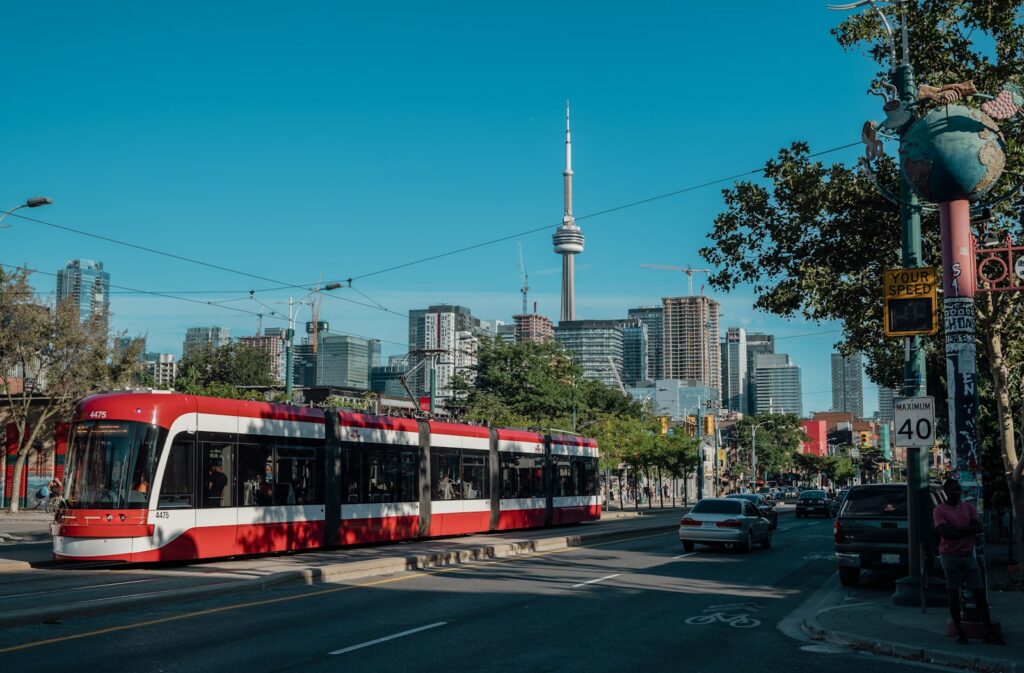
You were in the back seat of an Uber when another car ran a red light. Or the streetcar braked hard and you were thrown into a pole. Or you slipped on a wet subway staircase. All three happen every day in Toronto, and each follows different rules about who pays and what you can claim.
Rideshare and taxi passengers
Rideshare companies and taxi operators in Ontario carry commercial auto insurance. As a passenger, you are entitled to accident benefits after a collision, and you can sue the at-fault driver, whether that is your driver or someone else.
Where your accident benefits come from depends on your own situation. If you have your own auto policy, or are covered as a spouse or dependant under a household policy, you generally claim from that insurer first. If you have no policy of your own, the claim generally goes to the insurer of the vehicle you were in.
This matters more than it used to. Since July 1, 2026, benefits such as income replacement are optional, and they are only available to people connected to the policy that includes them. A rideshare passenger with no auto policy of their own may be limited to medical, rehabilitation and attendant care benefits. Our post on optional accident benefits explains the change.
Rideshare insurance can also depend on what the driver was doing at the time: logged out, waiting for a request, on the way to a pickup, or carrying a passenger. If you were hurt by a rideshare vehicle as a pedestrian, cyclist or other driver, the app status can decide which policy responds.
TTC buses and streetcars: the “no crash” rule
Transit passengers are treated differently. Under Ontario’s Insurance Act, no accident benefits are payable to an occupant of a public transit vehicle unless it collided with another vehicle or object. This is often called the “no crash, no cash” rule.
If your bus hit a car, you can claim accident benefits. If the driver braked suddenly to avoid something and you were thrown to the floor, you generally cannot, even if your injuries are serious. The Licence Appeal Tribunal has applied this rule strictly, including where the passenger was injured by striking the inside of the bus.
Suing the TTC
The “no crash” rule limits accident benefits. It does not stop a lawsuit. If the operator drove carelessly, braked or accelerated unreasonably, closed doors on you or pulled away while you were boarding, you can sue the TTC for your losses.
Courts hold transit operators, as common carriers, to a higher standard of care than an ordinary driver. That said, some jostling is part of riding public transit, and a normal stop or bump will not always be negligence. The details matter: where you were standing, whether you were holding on, what the operator was reacting to, and what the vehicle’s cameras show.
TTC vehicles and stations record video, and footage is not kept forever. Report the incident to the TTC promptly and ask a lawyer to request the footage in writing as soon as possible.
Subway platforms, stairs and stations
Injuries in stations, on platforms, stairs and escalators are usually not motor vehicle claims at all. They are claims in negligence and occupiers’ liability, based on how the TTC maintained and operated the space. Our post on occupiers’ liability explains how those claims work.
Deadlines
The general limitation period for a lawsuit is two years. Accident benefit claims have much shorter notice periods, starting at seven days. If a municipal road or sidewalk defect was involved, a written notice to the municipality may be required within ten days. Our post on limitation periods explains the rules.
How we can help
At Kabir & Alam, we represent passengers and pedestrians injured in rideshare, taxi and transit incidents, identify every policy and defendant that may respond, and secure video and records early. Read more about our motor vehicle accident practice or book a consultation with us.
This post is general information about Ontario personal injury law and is not legal advice. Every case turns on its own facts. Speak with a lawyer about your situation before making decisions.