

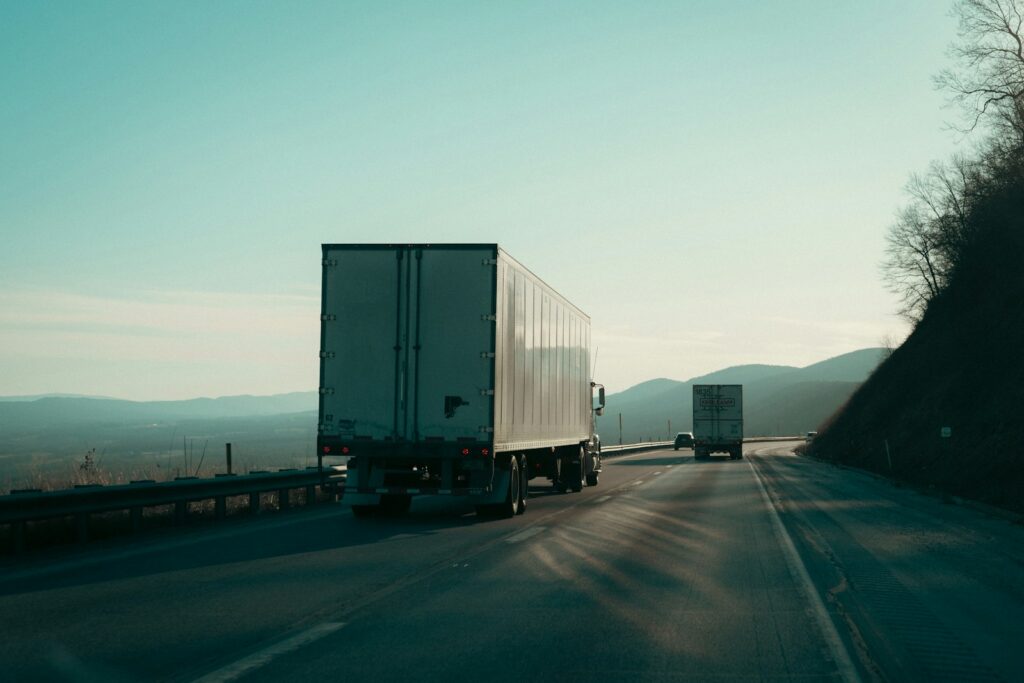
A collision with a transport truck on the 401 is rarely like a collision between two cars. The injuries are often worse, the trucking company’s insurer is involved from the first day, and the evidence that explains what happened sits in the truck’s own electronics, where it can be overwritten within weeks.
More than one defendant
In a car accident, the claim is usually against one driver. In a truck accident, liability can be shared among:
- the driver
- the trucking company, as the driver’s employer and as the operator responsible for the vehicle
- a separate owner of the tractor or trailer
- the company that loaded or secured the cargo
- a maintenance contractor
- a manufacturer, where a part failed
Each may have its own insurer, and commercial policies carry much higher limits than personal auto policies. Identifying every responsible party early is the difference between a claim that can cover a lifetime of care and one that cannot.
The rules trucking companies must follow
Ontario regulates commercial carriers closely, and a breach is strong evidence of negligence:
- Hours of service. A driver cannot drive after 13 hours of driving in a day or 14 hours on duty, and must take required rest. Electronic logging devices record this automatically.
- CVOR. Every commercial operator must hold a Commercial Vehicle Operator’s Registration, and the province tracks its safety record, including collisions, convictions and inspection results.
- Inspections and maintenance. Drivers must inspect vehicles daily and keep records. Operators must maintain the vehicle to standard.
- Cargo securement. Loads must be secured to provincial standards.
Evidence that disappears
The most important evidence in a truck case is electronic and short-lived:
- engine control module data showing speed, braking and throttle in the seconds before impact
- electronic logging device records of driving hours
- GPS and dispatch records
- dash camera and in-cab camera footage
- the driver’s daily inspection reports and the truck’s maintenance records
Some of this is routinely overwritten or discarded within weeks. The first step in any truck case is a written preservation demand to the carrier and its insurer, listing each category of evidence and requiring it to be kept. Once that letter is received, destroying the evidence has consequences in the lawsuit. Sending it in the first week, before the carrier’s own investigation is complete, is one of the most valuable things a lawyer does in these cases.
Your own insurer comes first
Your accident benefits still come from your own auto insurer, regardless of who was at fault. Medical, rehabilitation and attendant care benefits are mandatory. Income replacement and most other benefits have been optional since July 1, 2026, so what you can claim depends on your policy. Our post on optional accident benefits explains the change.
Serious injuries in truck collisions often meet the catastrophic impairment criteria, which raise benefit limits significantly. That assessment should be considered early.
The lawsuit
Compensation for pain and suffering requires an injury that passes the tort threshold, and a statutory deductible applies. Our post on the tort threshold and deductible explains how that works. Income loss, future care and housekeeping claims are often the largest parts of a truck case, and they need medical and economic evidence to support them.
Where a collision was fatal, the family’s claims are explained in our post on wrongful death and Family Law Act claims.
Deadlines
Notify your insurer within seven days. Give written notice to the at-fault parties within 120 days. The lawsuit generally must be started within two years. Our post on limitation periods explains the rules. The practical deadline, though, is the preservation letter, and that is measured in days.
What to do after a truck collision
- Get medical attention, even for injuries that seem minor.
- Photograph the truck, its plates, company name and CVOR or DOT numbers, the trailer and the scene.
- Get the driver’s name, licence and insurance details, and the carrier’s name.
- Get witness names and note any cameras nearby.
- Do not give a recorded statement to the carrier’s insurer before getting advice.
Our post on the first 48 hours after a car accident covers the rest.
How we can help
At Kabir & Alam, we send preservation demands immediately, identify every responsible party and insurer, and work with reconstruction and medical specialists on truck collision claims. Read more about our motor vehicle accident practice or book a consultation with us.
This post is general information about Ontario personal injury law and is not legal advice. Every case turns on its own facts. Speak with a lawyer about your situation before making decisions.