

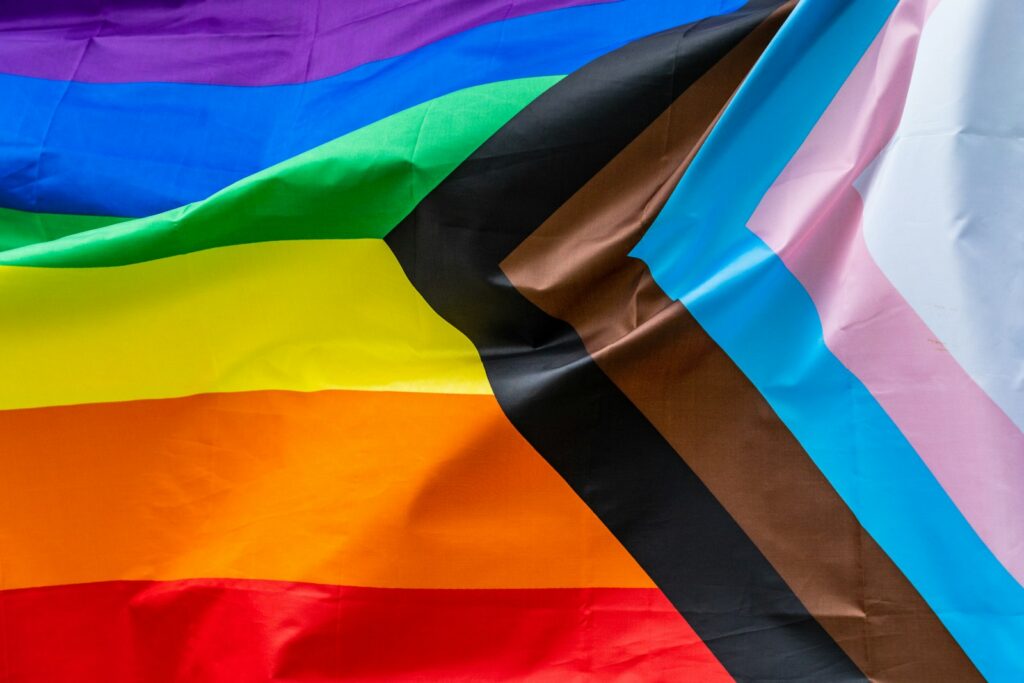
You may have spent most of your life hiding who you are. Now you are being asked to explain it, in detail, to a stranger, through an interpreter, in a hearing room. Refugee claims based on sexual orientation, gender identity and expression, and sex characteristics (often shortened to SOGIESC) are among the most personal claims the Immigration and Refugee Board hears, and the Board has specific rules for how they must be handled.
The legal basis
People who fear persecution because of their sexual orientation, gender identity or sex characteristics can qualify as members of a particular social group under the Refugee Convention. They may also qualify for protection under section 97 where they face a risk to life or of cruel and unusual treatment.
A country does not need to criminalize same-sex relationships for a claim to succeed. What matters is the risk you would face: from the state, from family, from the community, and whether the state would protect you. Criminal laws that are rarely enforced can still matter because they signal that police will not help.
You cannot be expected to hide
A claim cannot be refused on the basis that you could avoid harm by concealing your identity. Being forced to live in secrecy to stay safe is itself a form of persecution. If you would have to hide to be safe, that supports your claim rather than undermining it.
How the Board assesses credibility
The Board’s Chairperson’s Guideline on SOGIESC proceedings directs members to avoid stereotypes and assumptions. In practice, that means:
- There is no “right” way to look, dress, speak or behave.
- You do not need to have had a same-sex relationship, or any relationship, to be believed.
- Many people understand their identity gradually. Uncertainty, late realization and changes in how you describe yourself are not signs of fabrication.
- Delays in disclosure are common, including to immigration officers at the border, because of fear, shame or past trauma. They should be assessed with that context in mind.
- Members should not ask for or rely on sexually explicit evidence.
- Bisexual claimants must not be treated as able to “choose” a different-sex partner to avoid harm.
Our post on how the RPD assesses credibility explains the general principles. In SOGIESC claims, those principles are applied with these added protections.
Evidence that helps
Your own account is the core of the claim. Beyond that, useful evidence can include:
- Letters or testimony from partners, former partners, friends or family who know your identity
- Letters from community organizations in Canada confirming your involvement
- Evidence of threats, attacks, arrests, blackmail or family reactions at home
- Medical or psychological reports, where relevant
- Country condition evidence on how people with your profile are treated, including by police and families
Community involvement in Canada is helpful but not required. Some claimants are not ready to be public, and the Board should not treat that as a credibility problem.
If your identity emerged after you left
Some people only come to understand or express their identity after arriving in Canada. A claim can still be made on that basis. Our post on sur place claims explains how claims based on risk that arises after you leave are assessed.
Practical points for the hearing
You can ask for accommodations, including a member or interpreter of a particular gender, or an interpreter from outside your own community if you are worried about your privacy. Raise these requests early. If you are uncomfortable with an interpreter at any point, say so.
How we can help
At Kabir & Alam, we represent SOGIESC claimants from the Basis of Claim form through the hearing and any appeal, and we prepare the evidence with the Board’s guideline in mind. Read more about our refugee law practice or book a consultation with us.
This post is general information about Canadian immigration law and is not legal advice. Every case turns on its own facts. Speak with a lawyer about your situation before making decisions.