

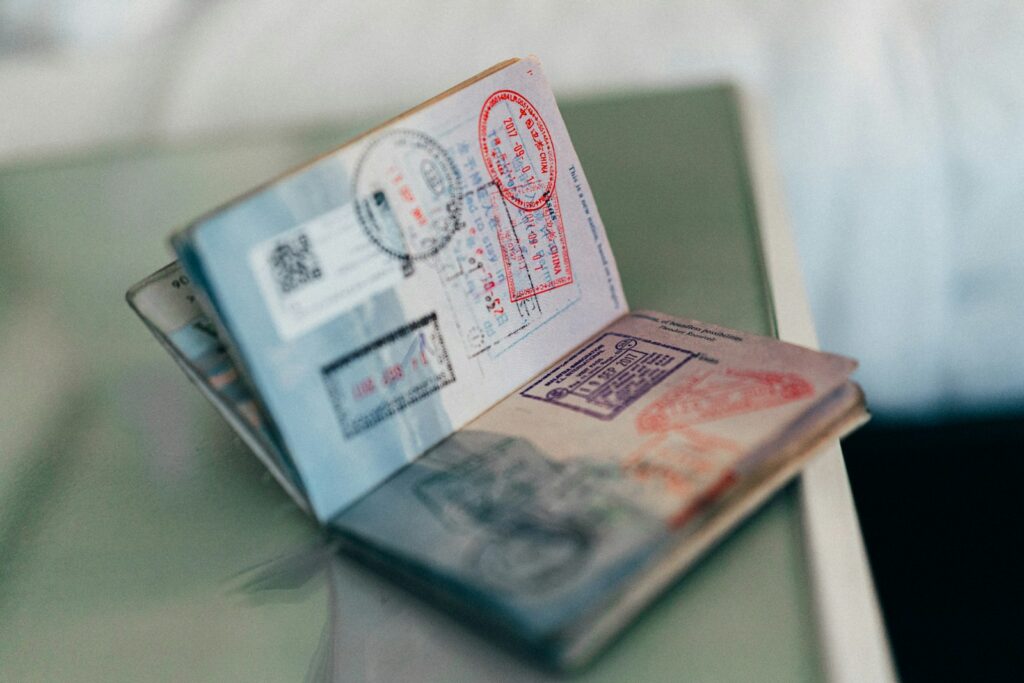
Your refugee claim was accepted years ago. You became a permanent resident. Then a parent fell ill at home and you went back for two weeks, or you renewed your national passport because it was easier than getting a refugee travel document. Now there is a letter from the Canada Border Services Agency, or a notice from the Immigration and Refugee Board, about an application to cease your protection. The consequence, if it succeeds, is not just losing refugee status. It is losing permanent residence and becoming inadmissible to Canada.
Two different proceedings
Cessation is the Minister’s application to the Refugee Protection Division for a finding that your protection has ended because of something that happened after it was granted. The Immigration and Refugee Protection Act lists five grounds: you voluntarily re-availed yourself of the protection of your country of nationality; you voluntarily reacquired that nationality; you acquired a new nationality and its protection; you voluntarily re-established yourself in the country you fled; or the reasons you needed protection have ceased to exist.
Vacation is different. It is the Minister’s application for a finding that the original decision granting protection was obtained by misrepresenting or withholding material facts. It looks backward at the claim itself rather than at what you did afterwards.
Both are decided by the RPD after a hearing at which the Minister presents evidence and you can respond.
Why permanent residence is at stake
Since 2012, a cessation finding on any of the first four grounds automatically ends permanent residence. There is no separate proceeding and no appeal to the Immigration Appeal Division. The person becomes a foreign national, inadmissible under a specific provision of the Act, and subject to removal.
The fifth ground, a change in conditions in the home country, is the exception. A person ceased on that ground alone keeps their permanent residence. The Board may also decline to cease protection on that ground where there are compelling reasons arising from previous persecution.
A successful vacation application deems the original claim to have been rejected. Permanent residence is lost, and the person is inadmissible for misrepresentation.
In both cases the only recourse against the Board’s decision is judicial review at the Federal Court. There is no right of appeal to the Refugee Appeal Division.
Re-availment: the ground that catches most people
The large majority of cessation cases are about re-availment, and most of those involve one of two things: travel to the home country, or obtaining or renewing a passport from it.
The law presumes that a refugee who obtains or renews a passport from their country of nationality intends to avail themselves of its protection. Using that passport to travel there strengthens the presumption. The presumption can be rebutted, but the burden is on the refugee to do it.
The Federal Court of Appeal has directed the Board to look at the whole picture rather than treating a single trip as decisive. Relevant factors include whether the person knew that travel could put their status at risk, why they travelled, whether they took precautions while there, how long they stayed, whether the agent of persecution was the state or a private actor, and whether the person was already a permanent resident at the time. A short trip to see a dying parent, taken discreetly by someone who did not know the consequences and who had no contact with the authorities, is a very different case from repeated extended stays with a renewed passport used openly. Both can end in cessation, but the first is defensible in a way the second usually is not.
What triggers a referral
CBSA does not review every refugee’s travel. Referrals most often arise from a citizenship application that discloses travel to the home country, from a permanent resident card renewal, from an examination at the border on return, or from information received from another source. The citizenship application is the one that surprises people, because it is the point at which they believe they are safest.
Practical rules for accepted refugees
Until you are a Canadian citizen:
- Do not travel to the country you claimed protection against. Not for a funeral, not for a wedding, not for a short visit. If the circumstances are truly compelling, get advice before you go, not after.
- Do not apply for, renew, or use a passport from that country. Travel on a Canadian refugee travel document.
- Do not become a citizen of another country without advice.
- Apply for citizenship as soon as you are eligible, and disclose your travel history accurately when you do. Citizens cannot be ceased.
Defending a cessation or vacation application
These hearings are won on evidence. A cessation defence typically involves a detailed affidavit about the circumstances of the travel, corroboration of the reason such as medical records or a death certificate, evidence of precautions taken, and submissions on why the presumption is rebutted on the facts. A vacation defence turns on whether the alleged misrepresentation was actually material, and on whether, even setting it aside, there was enough evidence to justify protection, in which case the Board may decline to vacate.
If protection is ceased or vacated, an H&C application may eventually be available, but it is barred for a period and does not restore the lost status. We have written about the consequences of an inadmissibility finding and about what happens when the RPD refuses a claim.
If you have received notice
Cessation and vacation applications are among the few proceedings that can undo status held for years, and the hearing is the only real opportunity to answer them. Read more about our refugee law practice, or book a consultation with Kabir & Alam Lawyers. If you have travelled and are worried, it is better to ask before a letter arrives than after.