

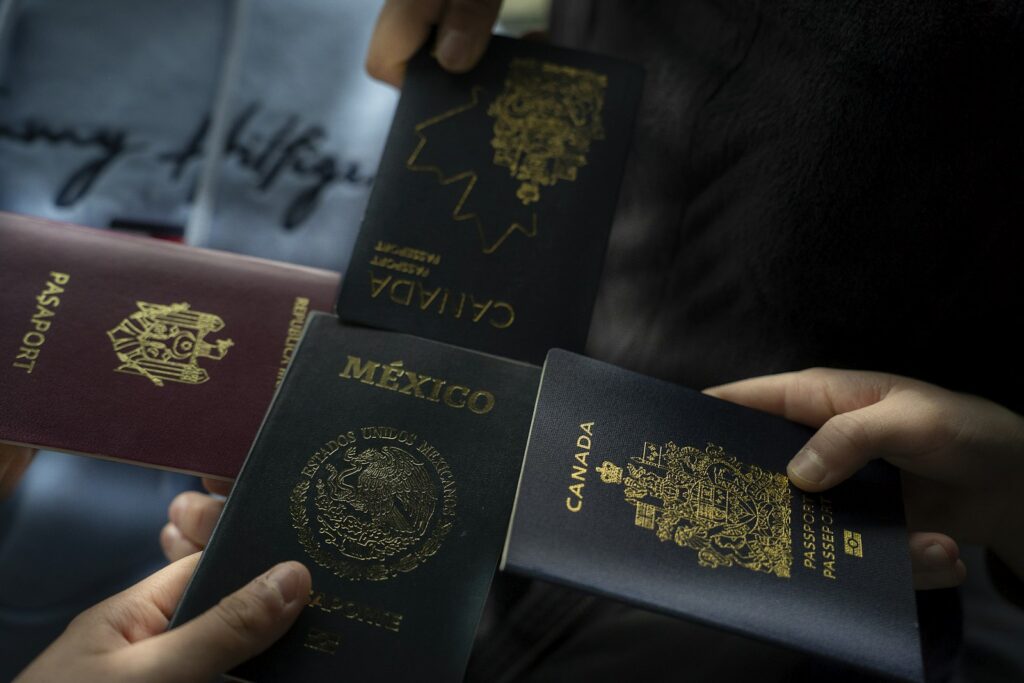
Your grandmother was born in Winnipeg. Your father was born in London, and you were born in Singapore. For years, the answer was that Canadian citizenship stopped with your father. For many families in that position, the answer has changed.
The first-generation limit, and why it ended
Since 2009, citizenship by descent was limited to the first generation born outside Canada. A Canadian born abroad could not automatically pass citizenship to a child who was also born abroad.
In December 2023, the Ontario Superior Court of Justice found key parts of that limit unconstitutional. The federal government did not appeal and introduced Bill C-3 to replace it. The new rules came into force on December 15, 2025.
If you were born before December 15, 2025
If you would be a Canadian citizen today but for the first-generation limit, you are now a citizen automatically. The law also restores citizenship to some people who lost it, or never acquired it, because of older provisions in previous citizenship laws.
You do not have to apply for citizenship, pass a test, show language ability or live in Canada. You are already a citizen. What you need is proof, in the form of a citizenship certificate. There is no deadline to apply for one.
If you were born on or after December 15, 2025: the substantial connection test
For children born or adopted abroad on or after that date, a new rule applies when the Canadian parent was also born or adopted outside Canada. The parent must show a “substantial connection” to Canada: at least 1,095 days of physical presence in Canada before the child’s birth or adoption.
- The days are cumulative. They do not have to be consecutive or fall within a set window before the birth.
- The test applies to the parent, not the child.
- It only applies where the Canadian parent was born or adopted abroad. A parent born in Canada passes citizenship to a child born abroad, as before.
Evidence of those days comes from ordinary records: school transcripts, employment and pay records, leases, tax filings and travel history. If you are a Canadian born abroad and may have children outside Canada, start keeping these records now. The counting approach is similar to the one in our post on how the physical presence requirement really works.
Adopted children
Children adopted abroad by Canadian citizens follow a parallel route: a direct grant of citizenship rather than a certificate confirming citizenship they already have. The same substantial connection rule applies to adoptions on or after December 15, 2025 where the adopting parent was born or adopted abroad.
Applying for a citizenship certificate
The application asks you to prove each link in the chain between you and your Canadian ancestor. Expect to gather:
- Your birth certificate naming your parents
- Your Canadian parent’s birth certificate, citizenship certificate or other proof of citizenship
- The same documents going back to the Canadian-born ancestor, where citizenship passes through more than one generation
- Marriage certificates, name change documents and translations where names differ across records
Most delays and refusals come from gaps in these records: a missing birth registration, a name spelled differently in two countries, or an adoption document that does not meet Canadian requirements. Sort these out before filing rather than after. Once you have the certificate, you can apply for a Canadian passport.
If something goes wrong
If your application is refused, our post on what to do when a citizenship application is refused sets out the options. If you have questions about a child born after December 15, 2025 whose parent does not meet the 1,095-day test, other routes may be available, including family sponsorship.
How we can help
At Kabir & Alam, we help families work out whether citizenship passes to them under the new rules, assemble the evidence for proof of citizenship, and deal with refusals and delays. Read more about our citizenship applications work or book a consultation with us.
This post is general information about Canadian citizenship law and is not legal advice. Every case turns on its own facts. Speak with a lawyer about your situation before making decisions.