

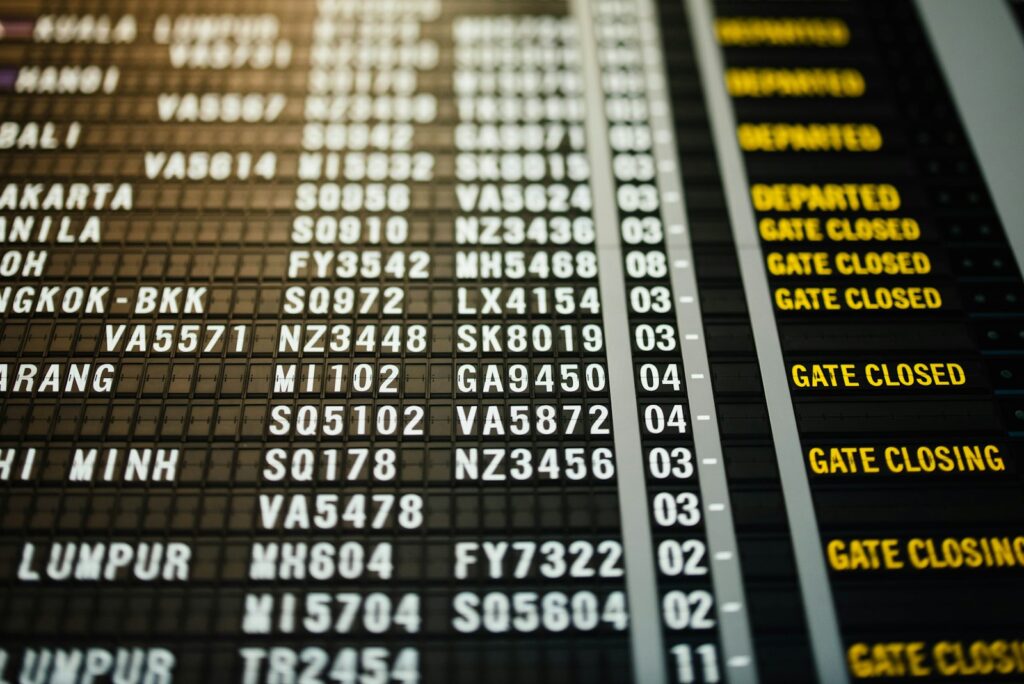
Your refugee claim has been referred to the Immigration and Refugee Board and the hearing is months away. Then a parent falls ill, a sibling announces a wedding, or an employer asks you to attend a meeting abroad. You start wondering whether you can leave Canada for a short trip and come back before anyone notices.
In almost every case, the answer is that you should not. Here is why, and what to do if travel is unavoidable.
Most claimants cannot leave even if they want to
When you made your claim, the officer almost certainly seized your passport and any other travel documents. The Refugee Protection Claimant Document you were given in their place is proof of your claim, not a travel document. Airlines will not board you on it and no other country will admit you on it.
Canada’s Refugee Travel Document is for people whose claims have already been accepted. There is no version for claimants, and Passport Canada will not issue one while a claim is pending. For most people, the practical barriers end the question before the legal ones come into play.
What leaving does to the claim itself
Under the rules in force when this post was written, leaving Canada does not automatically end a claim. The Refugee Protection Division declares a claim abandoned when the claimant has not pursued it diligently, and the Federal Court has treated a departure as something the Board weighs rather than as the end of the matter on its own.
That is cold comfort. Hearing dates are set on short notice, document deadlines keep running, and every notice goes to your address in Canada. Miss a hearing or a deadline because you were abroad and the Board can declare the claim abandoned. There is no appeal to the Refugee Appeal Division from that finding. Judicial review at the Federal Court is the only route, and there is no guarantee the claim comes back.
Travel also goes to the heart of what you are asking the Board to believe. A member will want to know why a person who fears persecution left the one country that has agreed to consider protecting them. A holiday or a business trip is hard to square with a claim that you have nowhere safe to go, and it feeds a negative credibility finding even when the trip itself was innocent. Our post on how the RPD assesses credibility explains how those findings are built.
Getting back in is the harder part
Suppose you manage to leave. As a claimant you have no status that guarantees re-entry. You are a foreign national with a conditional removal order on your file, and you would need to satisfy an officer at the port of entry that you should be allowed in. Without a passport you cannot apply for a visitor visa or an eTA, and arriving to make a fresh claim is not an option, because a second refugee claim in Canada is not eligible to be referred to the Board.
A departure can also raise the question of whether your removal order has been enforced, and whether you now need an Authorization to Return to Canada before you can come back at all. Those are not questions you want an officer deciding at an airport counter.
Going back to the country you fled
Returning to the country you claimed protection from is the worst version of this. The Board will treat it as strong evidence that the fear you described does not exist, and that evidence is very hard to explain away at a hearing. If the claim is accepted anyway, the same trip can come back years later as the basis for a cessation application, which we explain in our post on cessation and vacation. Not for a funeral, not for a wedding, not for a week.
The rules are about to get stricter
Bill C-12 became law in March 2026, but not all of it took effect at once. One of the pending changes is that the Board must not begin, or must suspend, its consideration of a claim while the claimant is not physically present in Canada. The regulations and amended RPD Rules published for consultation in June 2026 build on that. They would let the Board declare a claim abandoned where the claimant is outside Canada, and they would treat a voluntary return to the country of alleged persecution before a decision as abandonment of the claim.
The government said it expected to bring these measures into force later in 2026. They were not in force when this post was written. If you are reading this later, assume the stricter rules apply until you have confirmed otherwise. Our post on what happens after you submit a refugee claim covers the other changes in the same package.
If you believe travel is unavoidable
Sometimes the reason is serious: a dying parent, a child left behind who needs to be moved to safety. Even then, the options are narrow, and the first step is to speak to your lawyer before you book anything, not after you land. Among the points to work through:
- Whether you can get a travel document at all, and from where.
- How you would re-enter Canada, and whether CBSA would treat your departure as enforcing your removal order.
- Which hearing dates and filing deadlines fall during the trip, and whether the Board should be told in writing.
- How the trip will look to the Board member reading your file, and what evidence you would need to explain it.
In most cases the better answer is to wait. Once your claim is accepted, you can apply for a Refugee Travel Document and travel to any country other than the one you fled. Our post on what happens after your claim is accepted walks through that stage.
How we can help
At Kabir & Alam, we represent claimants from the day a claim is made through the hearing and any appeal, and we advise on the decisions that come up while a claim is pending. If you are thinking about travelling, or you have already travelled and are worried about what it means for your claim, read more about our refugee law practice or book a consultation with us.
This post is general information about Canadian immigration law and is not legal advice. Every case turns on its own facts. Speak with a lawyer about your situation before making decisions.