

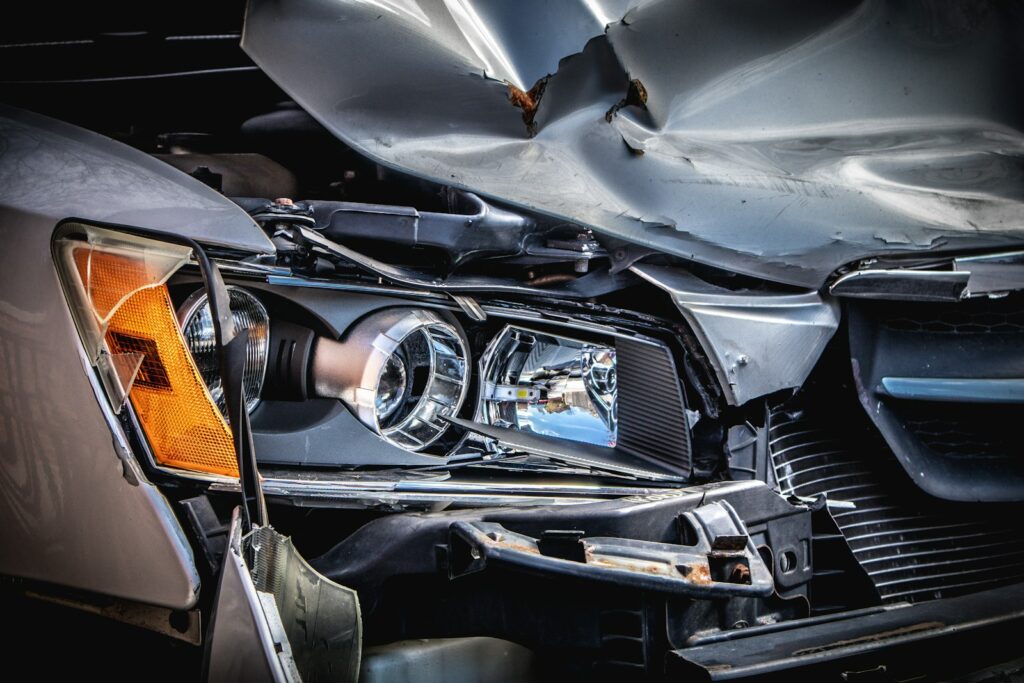
Two people are hurt in the same collision. Both miss four months of work. One receives weekly income replacement benefits; the other receives treatment funding and nothing else. Same crash, similar injuries. The difference comes down to a choice made months earlier at a policy renewal, or to the fact that one of them had no auto policy at all.
That is how Ontario’s accident benefits system has worked since July 1, 2026.
What is still mandatory, and what is optional
Every Ontario auto policy still includes three benefits:
- Medical benefits
- Rehabilitation benefits
- Attendant care benefits
Everything else is now optional coverage that has to be chosen and paid for, including:
- Income replacement
- Non-earner benefits
- Caregiver benefits
- Housekeeping and home maintenance
- Death and funeral benefits
- Lost educational expenses
- Visitor expenses
- Damage to personal items
Auto insurance also now pays first for medical and rehabilitation expenses, ahead of workplace and private health plans. Medication is the exception: a workplace or private plan still generally pays first for prescriptions.
Does your policy still have the old benefits?
Possibly. Policies that existed before July 1, 2026 renew with their existing accident benefits unless the policyholder agreed in writing to remove or change them. A policy that renewed after July 1 may still carry income replacement and the other benefits. A new policy only carries what was selected.
The rule that matters most: you cannot add optional benefits after an accident. The policy in force on the day of the collision decides what is available.
After a crash, ask the insurer in writing for your full policy, including the endorsement that lists the optional benefits (usually the OPCF 47R). Do not rely on memory or on what a broker thinks was selected.
Who can use optional benefits
Optional benefits under a policy are only available to:
- The named insured
- The named insured’s spouse
- Dependants of the named insured or of the spouse
- Drivers listed on the policy
Anyone outside those groups cannot use the optional benefits under that policy, even if they were injured in or by the insured vehicle.
Passengers, pedestrians and cyclists
This is where the change hits hardest.
If you have your own auto policy, or you are covered as a spouse or dependant under a household policy that includes optional benefits, you claim those benefits from that insurer, whether you were a passenger, a pedestrian or on a bicycle.
If you have no such policy, you are generally limited to the mandatory medical, rehabilitation and attendant care benefits, paid by the insurer of a vehicle involved in the collision or, if none applies, by the provincial fund of last resort. There is no income replacement or non-earner benefit to fall back on.
This includes people who never think of themselves as uninsured: a teenager riding in a friend’s car, a cyclist who does not own a vehicle, a passenger in a colleague’s car who lives alone. Our posts on pedestrian and cyclist claims and uninsured and hit-and-run drivers explain the priority rules for who pays.
Where the gap goes: the lawsuit
When accident benefits do not cover a loss, the only other source is usually a claim against the at-fault driver. Lost income can be claimed in that lawsuit, subject to Ontario’s rules on how much of it is recoverable. Pain and suffering is subject to the tort threshold and statutory deductible, which we explain in a separate post.
For someone without optional benefits, the lawsuit now carries far more of the weight. The deadlines matter more too: written notice to the at-fault driver within 120 days and a claim generally within two years. Our post on accident benefits and tort claims covers how the two interact.
If you caused the accident, there is no one to sue. What your own policy includes is what you have.
What to do after a collision now
- Identify every policy you might fall under: your own, your spouse’s, and your parents’ if you are their dependant.
- Notify the insurer within seven days and return the application within 30 days of receiving it, even while you work out which insurer should pay.
- Get the policy documents in writing, including the optional benefits endorsement.
- Check your workplace coverage. Short-term and long-term disability plans may fill part of an income gap, and extended health still pays first for medication.
- Dispute denials promptly. Accident benefit disputes go to the Licence Appeal Tribunal. Our post on accident benefits denials explains the process.
Our post on the first 48 hours after a car accident covers the evidence and reporting steps.
How we can help
At Kabir & Alam, we review which policies and benefits apply after a collision, pursue the accident benefits claim, and build the lawsuit that has to cover what the benefits no longer do. Read more about our motor vehicle accident practice or book a consultation with us.
This post is general information about Ontario personal injury law and is not legal advice. Every case turns on its own facts. Speak with a lawyer about your situation before making decisions.